
In a decisive move to accelerate Europe's circular economy transition, the textile recycling industry has issued a formal demand for EU regulations that establish mandatory recycled content targets with explicit priority given to Textile-to-Textile (T2T) recycling pathways. This strategic push recognizes that voluntary measures alone cannot transform the textile industry's linear model and that regulatory frameworks must specifically champion T2T recycling as the preferred circular solution.

More and more brands offer themselves as 'sustainable', but the greater part keep relying mainly on mechanically recycled PET from bottles - a downgrading strategy that does not enlighten the rising textile waste problem. The whitepaper of the sector spells out the lack of a binding and mandatory recycled content legislation, which would be a train of thought to T2T, without which the investments of recycling infrastructures would remain not well anchored and the exporting or landfilling textiles would still be practiced on a large scale in Europe.
This regulatory development carries significant implications for global supply chains. As the EU moves toward implementing mandatory recycled content rules through its Ecodesign for Sustainable Products Regulation (ESPR), brands worldwide will need to rapidly adapt their sourcing strategies to incorporate verified T2T recycled materials. This shift represents both a challenge and opportunity for innovative material solutions providers dedicated to advancing T2T recycling technologies.
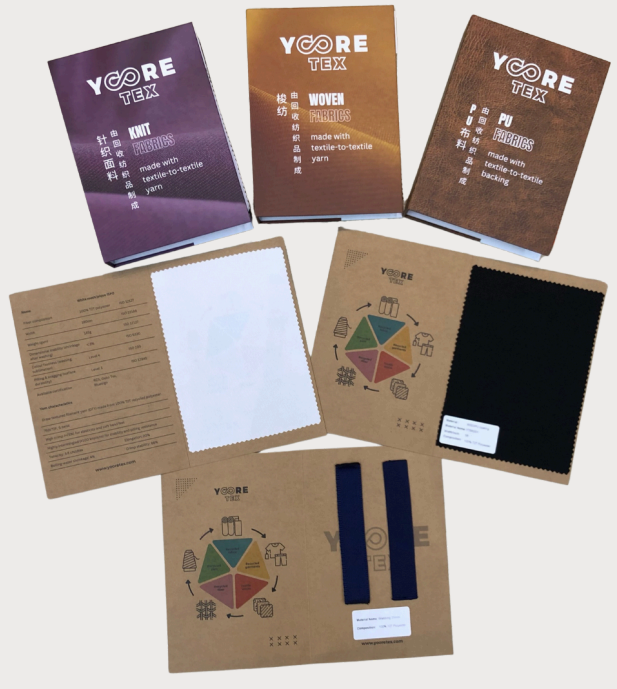
Companies like Yooretex exemplify the technological innovation required to meet coming regulatory demands. Founded specifically to address global textile waste through advanced T2T recycling solutions, Yooretex transforms discarded textiles into high-performance materials without compromising quality. As the EU considers regulations that would prioritize T2T recycling, pioneers like Yooretex are positioned to help brands navigate the transition to circular sourcing while meeting future mandatory recycled content requirements.
The European Commission's forthcoming decision on textile-specific ESPR requirements, expected by late 2026, could fundamentally reshape global textile flows. By establishing mandatory recycled content targets that explicitly favor T2T recycling, policymakers would send a powerful market signal that accelerates investment in circular infrastructure while reducing dependence on virgin resources. This regulatory approach aligns perfectly with Yooretex's mission to demonstrate that T2T recycling represents not just an environmental imperative but a commercially viable pathway toward textile industry transformation. Get in touch with our team for FREE SAMPLE SWATCH and email: alexandre@yooretex.com. Let's build a textile future that works for people, brands and the planet.
Reference:
<Recycling Europe Textiles stressed that rules should prioritise textile-to-textile recycling over down-cycling into lower-value applications, to ensure true circularity within the sector.>